

In today’s global economy, business is multilingual. Whether you are negotiating a cross-border joint venture in Dubai, running a safety briefing on a plant floor in Abu Dhabi, or onboarding a new supplier from Europe in Sharjah, clear communication can decide the outcome. That is where professional business interpretation services become a strategic asset, not just a support function. This cluster guide focuses specifically on business interpreting across corporate environments from executive boardrooms to manufacturing sites and complements the broader overview in our main guide: Complete overview: “Interpretation Services: The Complete Guide to Choosing, Buying, and Succeeding.”
Sim-trans Legal Translation & Interpretation Services, based in the UAE with offices in Dubai and Abu Dhabi, supports organizations of all sizes with certified, legal, and general translation and interpreting solutions. In this article, you will learn how to plan, select, and deploy business interpreters effectively for every part of your operation including meetings, conferences, technical site visits, and multilingual workforce communication across Dubai, Abu Dhabi, Al Ain, and Sharjah.
What Are Business Interpreting Services?
Business interpreting services are a specialized branch of business interpretation services focused on enabling real-time spoken communication in professional and commercial settings. Unlike casual bilingual help, business interpreters are trained to convey not only words, but intent, tone, and cultural nuances while maintaining confidentiality and accuracy.
Common Business use Cases
In the UAE, companies routinely rely on professional interpreters for:
- Board and executive meetings: Strategy reviews, investor presentations, and cross-border leadership sessions.
- Sales and negotiations: High-value deals, distributor agreements, and vendor selection processes.
- Legal and compliance discussions: Contract reviews, arbitration, and regulatory hearings.
- HR and internal communication: Onboarding, performance reviews, and policy rollouts for multilingual teams.
- Technical and plant-floor communication: Equipment commissioning, maintenance training, safety briefings, and audits.
- Events and conferences: Product launches, seminars, and stakeholder forums.
Sim-trans Legal Translation & Interpretation Services provides interpreters who understand both the language and the business context essential when the subject matter involves contracts, financials, engineering, or health and safety.
From Boardrooms to Plant Floors: Why Context Matters

The way you design and purchase business interpretation services should change depending on where and how they are used. A misinterpreted line in a boardroom can derail a deal; a misinterpreted instruction on a plant floor can cause safety incidents or production delays.
Boardroom Interpreting: High Stakes, High Precision
In boardrooms and executive meeting suites across Dubai, Abu Dhabi, Al Ain, and Sharjah, language can influence:
- Shareholder confidence during financial presentations.
- Negotiation leverage when discussing prices, terms, or liability.
- Strategic alignment among leadership teams from different countries.
Interpreters in these contexts must be discreet, well-versed in business and legal terminology, and able to work with senior stakeholders without disrupting the flow of the meeting.
Plant Floor and Technical Interpreting: Safety and Operations First
On plant floors, construction sites, and warehouses, the priorities shift:
- Worker safety: Clear interpretation of lock-out/tag-out procedures, PPE requirements, and emergency protocols.
- Technical accuracy: Correct rendering of equipment specifications, installation steps, and troubleshooting guidance.
- Operational efficiency: Avoiding misunderstandings that lead to downtime or rework.
Here, interpreters need domain familiarity (for example, manufacturing, oil and gas, logistics) and the ability to work in noisy, fast-paced environments while maintaining clarity and composure.
Key Modes of Interpreting for Business Settings

Understanding the main modes of interpreting helps you choose the right business interpretation services for each business scenario.
1) Simultaneous Interpreting
Definition: The interpreter converts speech into another language in real time, with only a short lag, usually from a soundproof booth or using portable equipment.
Best for:
- Large conferences and shareholder meetings.
- High-level executive briefings with strict time constraints.
- Training sessions where multiple languages must be supported at once.
In Dubai and Abu Dhabi, Sim-trans often deploys simultaneous interpreting for multinational summits, investor roadshows, and product launches, supplying both interpreters and the technical equipment required.
2) Consecutive Interpreting
Definition: The speaker pauses regularly to allow the interpreter to relay the message. The interpreter may take notes to preserve detail and structure.
Best for:
- Business negotiations and contract discussions.
- Plant tours and site audits.
- Small-group training sessions and workshops.
Consecutive interpreting is commonly used on plant floors in Sharjah and Al Ain, where participants move between workstations and need close interaction with the interpreter.
3) Whispered Interpreting (chuchotage)
Definition: The interpreter sits or stands next to one or two listeners and whispers the translation simultaneously, without equipment.
Best for:
- Board meetings where only one or two members need language support.
- Site inspections with a visiting executive or regulator.
This mode minimizes disruption and preserves confidentiality, making it ideal for sensitive executive discussions in UAE corporate environments.
4) Remote Interpreting
Definition: Interpreters connect via video conference or audio platforms instead of being physically present.
Best for:
- Virtual board meetings and investor calls.
- Hybrid training for plant operators in multiple locations (e.g., Dubai and Abu Dhabi simultaneously).
- Urgent, short notice consultations.
Remote interpretation services are increasingly used across the UAE to support distributed teams and reduce travel costs while maintaining professional language support.
Choosing the Right Interpreting Mode by Business Scenario
The table below summarizes how to match interpreting modes to typical business situations:
| Business Scenario | Recommended Interpreting Mode | Notes
|
|---|---|---|
| Board meeting with a few non-Arabic speakers | Whispered or Consecutive | Low equipment needs, high confidentiality; ideal in Dubai and Abu Dhabi HQs. |
| Annual general meeting or large conference | Simultaneous | Efficient for many attendees; requires booths and headsets. |
| Vendor or M&A negotiations | Consecutive | Allows careful phrasing and clarification of legal/financial terms. |
| Plant-floor safety training | Consecutive | Best for interactive Q&A and demonstration-based explanations. |
| Multi-site virtual project meeting | Remote Simultaneous or Consecutive | Ideal for distributed teams in Dubai, Sharjah, and Al Ain. |
Sim-trans Legal Translation & Interpretation Services can help you assess these scenarios and select the optimal configuration for your organization’s needs and budget.
Critical Qualities to Look for in Business Interpreters
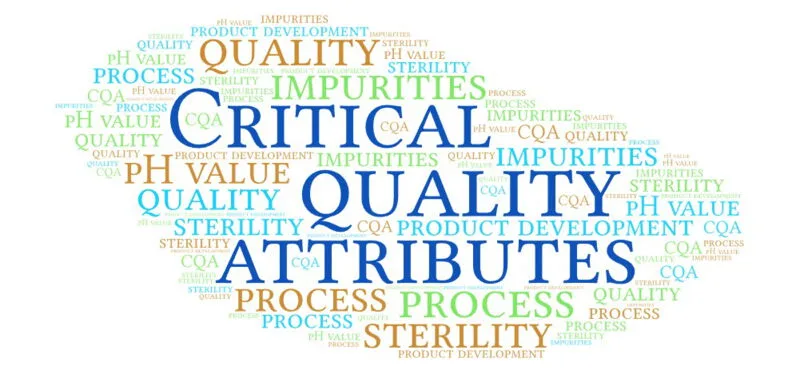
Not all interpreters are equally suitable for business environments. When procuring interpretation services for boardrooms or plant floors in the UAE, focus on the following qualities.
1. Subject Matter Expertise
Business and legal topics involve specialized terminology. Your interpreter should be familiar with:
- Corporate governance, finance, and investment concepts.
- Contractual terms, risk allocation, and compliance language.
- Technical vocabulary relevant to your industry, such as manufacturing processes, construction methods, or energy-sector terminology.
Sim-trans assigns interpreters with backgrounds in law, finance, engineering, or related fields when handling high-stakes meetings and technical site work.
2. Cultural and Business Etiquette Awareness
In the UAE’s multicultural context, cultural missteps can strain relationships. Professional interpreters should understand:
- How levels of formality vary between languages.
- When indirect language is used to maintain harmony.
- How to handle disagreements or sensitive topics respectfully.
3. Confidentiality and Professionalism
Boardroom discussions and plant processes often involve trade secrets, financial data, or proprietary methods. Ensure your interpreting partner:
- Signs robust non-disclosure agreements (NDAs).
- Follows clear data protection and privacy standards.
- Adheres to professional codes of ethics.
4. Accuracy Under Pressure
On a noisy plant floor or during a heated negotiation, interpreters must remain calm and precise. Indicators of quality include:
- Evidence of formal interpreter training or certifications.
- Strong references from corporate or industrial clients.
- Experience in similar settings (e.g., heavy industry, logistics, or financial services).
5. Language Coverage and Scalability
Many UAE companies work with partners in Europe, Asia, and Africa. Consider whether your provider can support:
- Arabic English as a baseline, plus languages such as French, German, Russian, Hindi, Urdu, Chinese, and others as needed.
- Multiple interpreters for parallel sessions or shifts on large projects.
As a UAE-wide provider, Sim-trans is equipped to scale interpreting teams for complex rollouts and multi-day events in Dubai, Abu Dhabi, Sharjah, and Al Ain.
Planning Business Interpreting for Boardroom Meetings
Careful planning is essential to maximize the value of business interpretation services in high-level corporate settings.
Step 1: Define Objectives and Stakeholders
- Clarify the goal: Is the meeting to decide on a deal, align strategy, or resolve a dispute?
- List participants: Identify who needs language support and in which directions (e.g., English to Arabic, Arabic to German).
- Assess sensitivity: Determine how confidential the content is and whether additional security measures are needed.
Step 2: Choose Interpreting Mode and Logistics
Based on group size and format, decide on simultaneous, consecutive, or whispered interpreting. Then address:
- Room layout: Where will the interpreter sit? Is there space for equipment?
- Audio quality: Are microphones, speakers, or headsets required?
- Timing: Allow extra time in the agenda if using consecutive interpreting.
Step 3: Prepare Interpreters with Materials
The more context your interpreters have, the better the outcome. Provide, under NDA:
- Meeting agenda and objectives.
- Presentation slides, contracts, or technical documents.
- Names, titles, and company information of key participants.
Sim-trans Legal Translation & Interpretation Services regularly signs NDAs and receives advance materials from clients across the UAE to ensure interpreters are well prepared.
Step 4: Brief your Internal Team
To work smoothly with interpreters, remind speakers to:
- Speak at a moderate pace.
- Avoid talking over one another.
- Pause after key ideas when using consecutive interpreting.
- Limit use of idioms or explain them when they arise.
Planning Interpreting for Plant Floors and Technical Sites
Interpreting on a production line, construction site, or warehouse involves different risks and logistics than a boardroom in Dubai or Abu Dhabi.
1. Conduct a Site and Risk Assessment
Before deploying interpreters on site, consider:
- Noise and visibility: Is the environment loud? Will the interpreter need headsets or radios?
- Safety requirements: What PPE is required? Are there restricted or hazardous areas?
- Movement: Will the group walk between locations, climb ladders, or enter confined spaces?
2. Select Interpreters with Technical Familiarity
For plant floors, prioritize interpreters who have worked in similar industries or who are trained to understand:
- P&ID diagrams, process flow charts, or equipment manuals.
- Standard operating procedures (SOPs) and safety terminology.
- Frequently used abbreviations and acronyms in your sector.
3. Design the Training or Visit Around Communication
When planning operator training or vendor site visits, build your agenda to accommodate interpreting:
- Use shorter segments followed by Q&A to avoid fatigue.
- Ensure printed materials or visual aids are available in the main languages.
- Schedule breaks to maintain concentration for both trainers and interpreters.
4. Establish Safety Protocols for Interpreters
Interpreters should be given:
- A basic safety briefing, including alarms and evacuation routes.
- Appropriate protective equipment.
- Clear instructions on where they may or may not stand during operations.
Sim-trans works with plant managers and HSE teams across the UAE to integrate interpreters safely into operational environments.
How to Evaluate and Procure Business Interpretation Services
Buying interpretation services for your UAE business is not only about price. To ensure long-term success, build a structured approach to evaluating providers.
1. Define Your Recurring and Oneoff Needs
Map out your expected demand:
- How many board and investor meetings do you host annually?
- How often do you conduct plant-floor training or vendor visits?
- Do you run regular conferences or town halls in Dubai, Abu Dhabi, Sharjah, or Al Ain?
This helps you negotiate appropriate service levels and pricing models.
2. Request Detailed Proposals
When shortlisting providers like Sim-trans, ask for information on:
- Interpreter profiles and language combinations.
- Experience in your sector (e.g., construction, healthcare, energy).
- Equipment options for simultaneous interpreting.
- Availability for remote and onsite jobs.
- Emergency or short notice support policies.
3. Assess Quality Assurance Processes
Professional providers should have:
- Internal vetting and testing of interpreters.
- Ongoing performance reviews and client feedback loops.
- Backup interpreters in case of illness or emergencies.
4. Consider Total Cost of Ownership
The lowest quoted rate is not always the best value. Factor in:
- Preparation time and customization requirements.
- Equipment rental and technical support costs.
- Travel and accommodation if interpreting is required in multiple UAE cities.
5. Pilot and Then Scale
Start by using a provider for a high-visibility but manageable event, such as a board workshop or a single training session. Evaluate the experience, then expand to other functions once you’re confident in the provider’s performance.
Maximizing ROI from Business Interpreting
Once you have invested in business interpretation services, you can increase your return by optimizing how you use them.
Train your Internal Teams
Provide short briefings to managers and trainers on how to work with interpreters effectively. For example:
- Encourage them to structure information clearly and logically.
- Use visual aids, diagrams, and written keywords.
- Allow time for participants to ask clarifying questions.
Integrate Interpreting with Translation
For best results, combine spoken interpreting with written translation:
- Translate safety manuals, SOPs, and training materials.
- Localize slides, contracts, and policy documents.
- Use consistent terminology across both written and spoken content.
Sim-trans offers both legal and general document translation, enabling consistency between what your people read and what they hear.
Measure Impact
After major meetings, trainings, or events, collect feedback on:
- Clarity of communication and understanding.
- Participant confidence in decisions made.
- Reduction in errors, rework, or safety incidents.
Over time, this data helps justify your investment and refine how you use interpreting resources across your operations.
Frequently Asked Questions about Business Interpretation Services
1. How far in advance should we book interpreters for board or plant meetings in the UAE?
For high level board meetings or large-scale training sessions, booking 2 to 4 weeks in advance is recommended, especially for less common language combinations. For smaller, recurring sessions in Dubai, Abu Dhabi, Sharjah, or Al Ain, Sim-trans can often accommodate shorter notice, but early scheduling helps ensure you get interpreters with the right industry background.
2. Can one interpreter handle both boardroom and plant floor assignments?
Sometimes, but not always. Boardroom interpreting demands strong business and legal familiarity, while plant-floor assignments require technical and safety know-how. It is usually more effective to assign interpreters according to their strengths. A professional provider will advise you on assigning the most suitable profiles for each environment.
3. Do we need special equipment for business interpreting?
It depends on the mode. Consecutive and whispered interpreting generally require no specialized equipment beyond good room acoustics. Simultaneous interpreting for conferences or large town halls typically requires booths, headsets, microphones, and an audio technician. For remote interpreting, a stable internet connection, quality microphones, and headsets are essential.
4. How do you ensure confidentiality in sensitive business discussions?
Reputable providers implement strict confidentiality measures: NDAs for all interpreters, data protection policies, and adherence to professional codes of ethics. At Sim-trans Legal Translation & Interpretation Services, confidentiality is central to our handling of board meetings, legal matters, and confidential plant processes.
5. Can interpretation services support multilingual workforces on an ongoing basis?
Yes. Many companies in the UAE use interpreters regularly to support multilingual teams in HR processes, safety initiatives, and continuous training. You can establish framework agreements with providers like Sim-trans to ensure consistent, on-call access to interpreters who become familiar with your organization’s culture and terminology.
Conclusion: Using Interpretation Services Strategically Across Your Business
From executive boardrooms to busy plant floors, business interpretation services are now a core component of doing business in a multilingual market like the UAE. When you treat interpreting as a strategic asset matching modes to scenarios, selecting interpreters with the right expertise, and integrating spoken and written communication you reduce risk, accelerate decision-making, and unlock smoother collaboration with partners and teams worldwide.
If your organization operates in Dubai, Abu Dhabi, Sharjah, or Al Ain and you are ready to professionalize your approach to business interpreting, Sim-trans Legal Translation & Interpretation Services can help you design and implement solutions tailored to your boardrooms, training rooms, and plant floors. For a broader framework on how to evaluate and succeed with language support across all contexts, see our main guide: Complete overview: “Interpretation Services: The Complete Guide to Choosing, Buying, and Succeeding.”